Last updated: June 11, 2026
Quick Answer: Women experience heart attacks differently than men. While chest pain is still the most common warning sign, women are far more likely to have subtle symptoms — jaw pain, nausea, fatigue, or back discomfort — that get dismissed as stress or indigestion. Recognizing these eight signs early and connecting with preventive cardiology services in Forest Hills, NY can be the difference between a full recovery and a life-threatening delay.
Access preventive cardiology services in Forest Hills, NY
Key Takeaways
- Women’s heart attack symptoms are often subtle and do not always include the dramatic chest-clutching pain shown in movies.
- Fatigue, nausea, jaw pain, and shortness of breath are among the most commonly missed warning signs in women.
- Studies show women wait longer than men before calling for emergency help, which worsens outcomes.
- Hormonal changes after menopause significantly increase a woman’s cardiovascular risk.
- Stress and anxiety can both mimic and trigger cardiac events in women.
- A proactive heart screening — including an EKG, cholesterol panel, and blood pressure check — can catch problems before a crisis.
- Dr. Kumar Sarkar, MD, a board-certified cardiologist at NYP Clinic, provides comprehensive cardiac evaluations for women in Forest Hills and surrounding Queens neighborhoods.
- NYP Clinic is open 7 days a week, including weekends, with walk-in primary care available.
Why Women’s Heart Attack Symptoms Are Different From Men’s
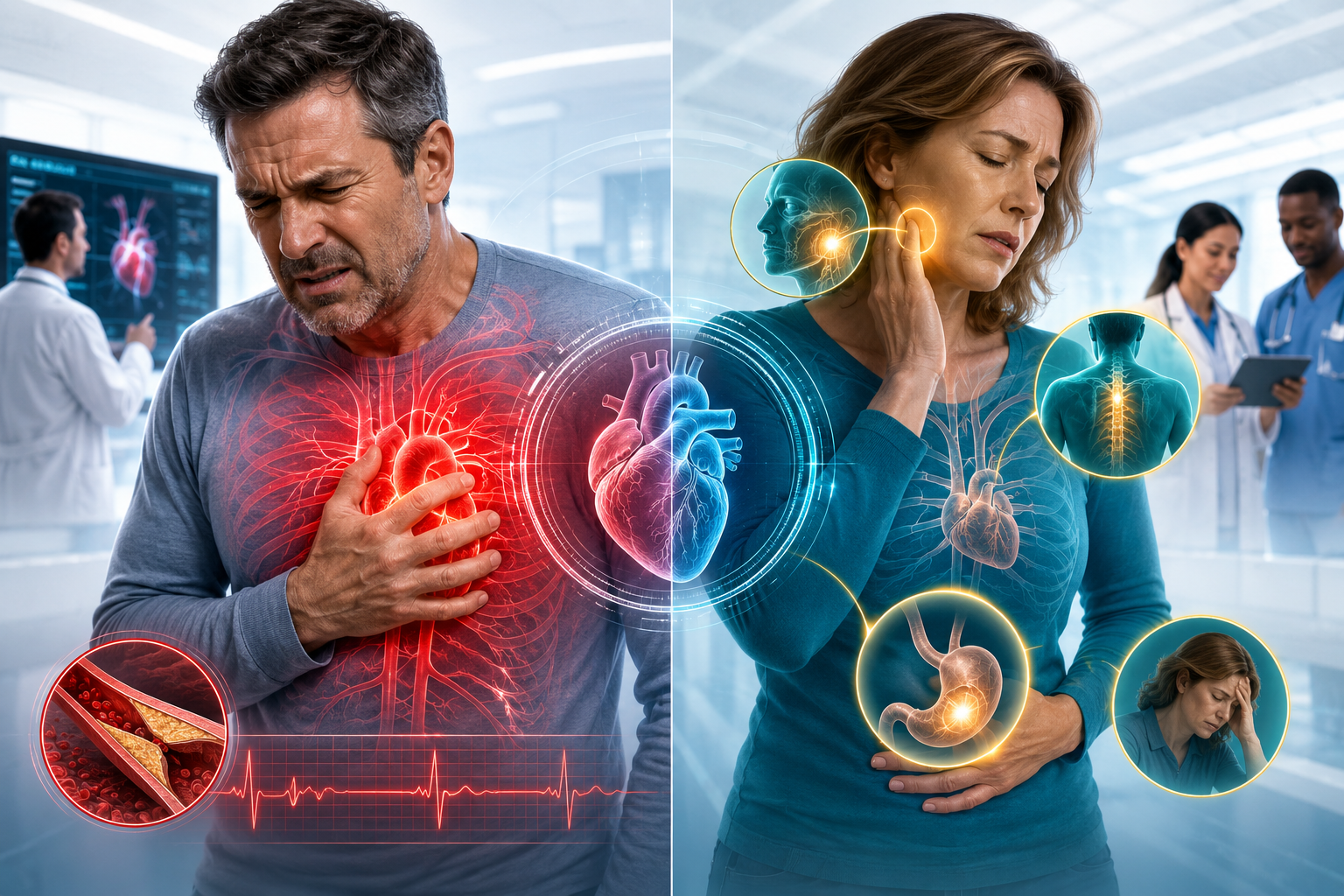
Women’s hearts respond to reduced blood flow differently than men’s, and the symptoms that result are often far less obvious. While men typically report intense, crushing chest pressure, women more often experience a collection of vague, easy-to-dismiss sensations that don’t fit the “classic” heart attack picture.
This difference comes down to biology. Women tend to develop blockages in smaller coronary arteries — a pattern called microvascular disease — rather than just in the large vessels. The result is a subtler set of warning signals. Add in the fact that women are more likely to attribute symptoms to anxiety, acid reflux, or exhaustion, and it becomes clear why heart disease remains the leading cause of death for women in the United States.
Understanding this gap is the first step toward closing it.
The 8 Signs of a Heart Attack That Women Often Ignore
Each of the following symptoms deserves serious attention, especially when more than one appears at the same time or without an obvious cause.
1. Unusual fatigue
Feeling suddenly and profoundly tired — not from exertion, but out of nowhere — is one of the most reported symptoms women describe in the days before a heart attack. This isn’t ordinary tiredness. It’s an exhaustion that makes routine tasks feel overwhelming.
2. Chest discomfort that doesn’t feel “classic”
Chest discomfort, pressure, or tightness that doesn’t feel like the dramatic squeezing pain shown on TV can still be a heart attack and is the most important sign women ignore. It may feel more like fullness, pressure, or even a dull ache.
3. Shortness of breath
Struggling to catch your breath while at rest or during light activity — without any lung condition to explain it — can signal that the heart is not pumping effectively.
4. Jaw, neck, or upper back pain
Pain that radiates to the jaw, neck, or between the shoulder blades is a hallmark female heart attack symptom. Many women mistake this for a dental problem or muscle strain.
5. Nausea, vomiting, or indigestion
Gastrointestinal symptoms are far more common in women’s heart attacks than in men’s. If you experience sudden nausea that isn’t explained by food or illness, take it seriously.
6. Cold sweats
Breaking into a cold sweat without physical exertion or fever is a warning the body’s stress response may be reacting to a cardiac event.
7. Dizziness or lightheadedness
Feeling faint or suddenly dizzy, especially alongside any other symptom on this list, warrants immediate attention.
8. Arm pain (often the left arm, but sometimes both)
While arm pain is more commonly associated with men, women can also experience it — and it may be less intense or localized differently, sometimes affecting both arms.
What Percentage of Women Recognize Their Heart Attack Early?
Research consistently shows that women are less likely than men to recognize their symptoms as cardiac in nature. A significant proportion of women who survive heart attacks report that they initially attributed their symptoms to something benign — stress, the flu, or aging. This delay in recognition translates directly into delayed treatment, and in cardiac care, every minute matters.
Part of the problem is awareness. The “Hollywood heart attack” image — a man clutching his chest and collapsing — simply doesn’t match what most women experience. Until that cultural narrative changes, education remains the most powerful tool available.
Are Heart Attack Warning Signs Different by Gender?
Yes, definitively. The core mechanism — blocked blood flow to the heart — is the same, but the symptom profile diverges significantly by gender.
| Symptom | Men (Common) | Women (Common) |
|---|---|---|
| Crushing chest pain | Yes | Sometimes |
| Jaw or neck pain | Rare | Frequent |
| Nausea/vomiting | Rare | Frequent |
| Extreme fatigue | Rare | Frequent |
| Shortness of breath | Yes | Yes |
| Cold sweats | Sometimes | Frequent |
| Back pain | Rare | Frequent |
Women are also more likely to have a “silent” heart attack — one that causes minimal symptoms and is only discovered later during a routine EKG or stress test. This is one reason why regular heart care and cardiology evaluations matter so much for women, even when they feel fine.
Can Stress and Anxiety Cause Heart Attack Symptoms in Women?
Stress and anxiety can both mimic and directly trigger cardiac events in women. A condition called Takotsubo cardiomyopathy — sometimes called “broken heart syndrome” — is triggered almost exclusively by intense emotional stress and occurs far more often in women than in men. It produces symptoms nearly identical to a heart attack.
Chronic stress also raises cortisol levels, increases blood pressure, and promotes inflammation in blood vessel walls — all of which accelerate cardiovascular disease. Women who experience high levels of daily stress, particularly those managing caregiving responsibilities alongside work, carry a measurably higher cardiac risk.
This doesn’t mean every anxious moment is a heart event. But it does mean that stress should be taken seriously as a cardiovascular risk factor, not just a mental health one.
Are Heart Attack Risks Higher for Women Over 40?
Yes, and the risk climbs steeply after menopause. Estrogen has a protective effect on the cardiovascular system — it helps keep blood vessels flexible and cholesterol levels in a healthier range. When estrogen levels drop after menopause, that protection fades.
Women over 50 who have gone through menopause have a cardiovascular risk profile that begins to approach that of men the same age. Women who experience early menopause (before age 45) face an even earlier elevation in risk.
Other compounding factors for women over 40 include:
- High blood pressure, which is often undertreated in women
- Type 2 diabetes, which carries a higher relative cardiac risk in women than in men
- High LDL cholesterol and low HDL cholesterol
- A history of preeclampsia or gestational diabetes during pregnancy
- Autoimmune conditions like lupus, which disproportionately affect women
Understanding how metabolic syndrome increases the risk of heart disease is particularly relevant for women in this age group.
Common Mistakes Women Make About Heart Attack Risks
The most dangerous mistake is assuming heart disease is “a man’s problem.” It isn’t. Beyond that, several other patterns consistently delay diagnosis and treatment:
- Waiting to see if symptoms pass before calling for help or going to the emergency room
- Attributing symptoms to stress, menopause, or aging rather than considering a cardiac cause
- Skipping annual checkups because there are no obvious symptoms
- Not mentioning cardiac symptoms to a doctor out of fear of being dismissed or seeming dramatic
- Ignoring family history of heart disease, particularly in female relatives
If you recognize any of these patterns in yourself or a family member, the most effective correction is a scheduled cardiac screening with a board-certified cardiologist.
How Do I Know If Chest Pain Is Serious for Women?
Any chest discomfort that is new, unexplained, or accompanied by shortness of breath, sweating, nausea, or pain radiating to the jaw, arm, or back should be treated as a medical emergency. Call 911 immediately — do not drive yourself.
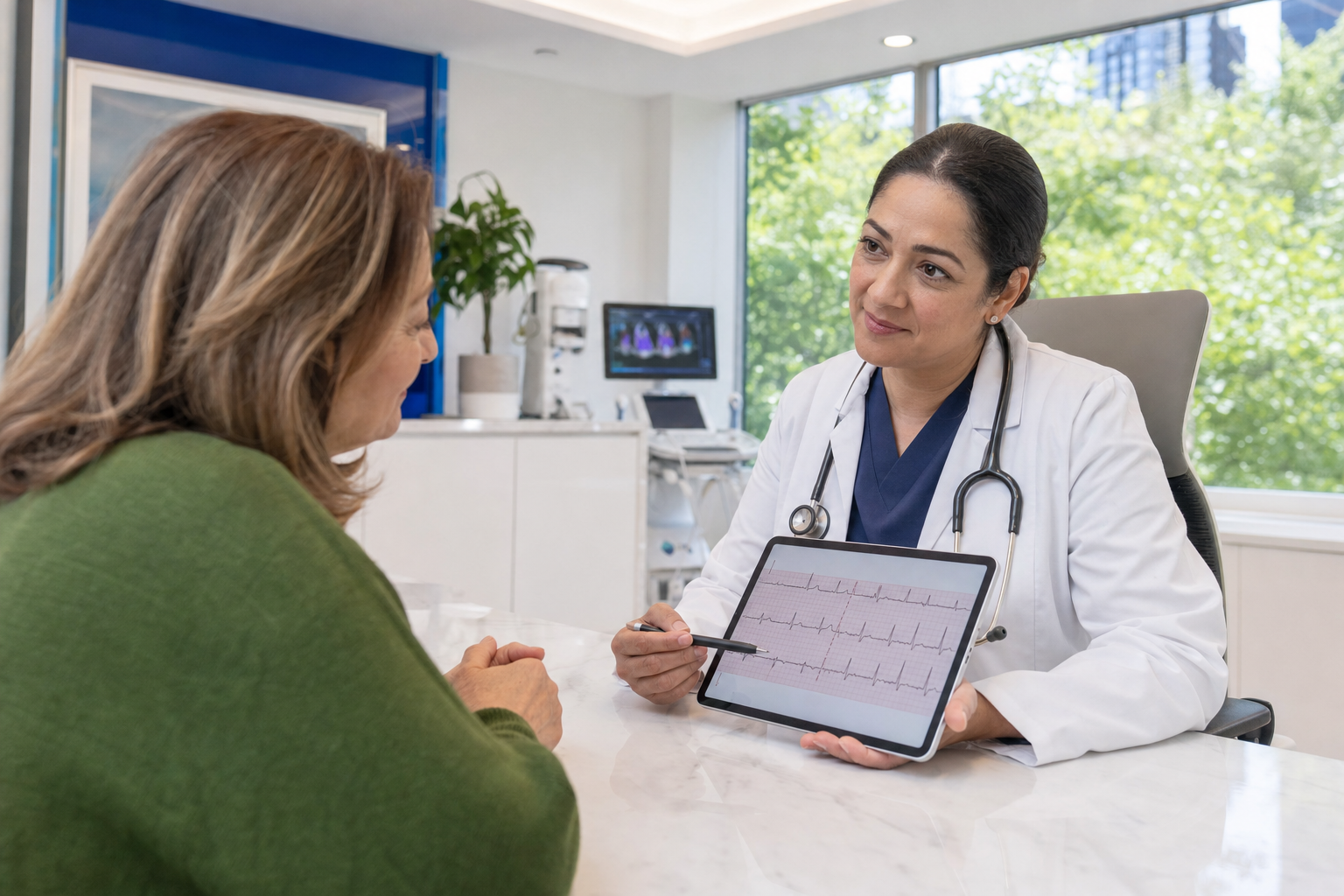
For chest discomfort that is milder or intermittent, a prompt evaluation with a cardiologist is still warranted. A resting EKG, stress test, or echocardiogram can identify whether the heart is under strain. You can read more about when an echocardiogram is needed to understand what these tests reveal.
Decision rule: If you’re unsure whether your chest pain is serious, treat it as serious. The cost of a false alarm is far lower than the cost of delayed care.
Emergency Room Checklist for Women With Potential Heart Attack Symptoms
If you or a female family member is heading to the emergency room with possible cardiac symptoms, bring or be ready to share:
- A list of all current medications and dosages
- Known allergies
- Personal and family history of heart disease, diabetes, or high blood pressure
- A description of symptoms: when they started, how long they lasted, what made them better or worse
- Any recent lab results, especially cholesterol or blood sugar values
- Insurance information
Advocate clearly. Tell the triage team you are concerned about a cardiac event. Women’s symptoms are sometimes attributed to anxiety in emergency settings — being specific and persistent about your concern matters.
Best Preventive Cardiology Services in Forest Hills, NY for Women’s Heart Health
Women in Forest Hills and surrounding Queens neighborhoods have direct access to board-certified cardiac care at New York Preventive Health Center (NYP Clinic). Dr. Kumar Sarkar, MD, is the clinic’s board-certified cardiologist, specializing in evaluating and managing cardiovascular risk across all age groups, including women navigating menopause and those with complex risk factors.
NYP Clinic’s heart care services in Forest Hills include:
- Comprehensive cardiac risk assessments
- Resting EKG and stress testing
- Echocardiography referrals
- Cholesterol and lipid panel management
- Blood pressure monitoring and management
- Coordination with internal medicine for metabolic risk factors
The clinic is located at 68-60 Austin Street, Store 10, Forest Hills, NY 11375, and is open Monday through Friday 9:00 AM to 5:00 PM, Saturday 9:00 AM to 2:30 PM, and Sunday 9:00 AM to 3:30 PM. Walk-in primary care is available, and online appointment booking is accessible at any time.
For women who also have diabetes, thyroid conditions, or other hormonal factors affecting heart health, the clinic’s multi-specialty team — including internal medicine physicians Dr. Stella Ilyayeva, MD and Dr. Harry Berkowitz, MD — can coordinate care under one roof without referral delays.
How to Convince a Female Family Member to Take Heart Health Seriously
Start with facts, not fear. Share that heart disease is the number one cause of death for women — not breast cancer, not stroke — and that the symptoms are often subtle enough to be missed. Then make the action step as easy as possible.
Practical approaches that work:
- Offer to go with her to the appointment
- Help her book online at NYP Clinic’s scheduling portal or call (718) 997-7100
- Frame it as a routine checkup, not a crisis response
- Point to the clinic’s weekend hours, which remove the “I can’t take time off work” barrier
- Share articles like this one, which explain the specific symptoms women experience
The goal isn’t to alarm her. It’s to make a proactive screening feel like the normal, sensible thing to do — because it is.
Frequently Asked Questions
Can a woman have a heart attack without any chest pain?
Yes. Women are significantly more likely than men to have a heart attack with no chest pain at all. Symptoms like fatigue, nausea, jaw pain, and back discomfort may be the only warning signs present.
What does a female heart attack feel like?
It often feels like unusual exhaustion, pressure or fullness in the chest (not necessarily sharp pain), nausea, shortness of breath, or discomfort in the jaw, neck, or upper back. Many women describe it as feeling “not right” without being able to pinpoint why.
How quickly do heart attack symptoms come on in women?
Symptoms can come on suddenly or build gradually over hours or even days. Some women report feeling unusually tired or unwell for several days before a heart attack occurs.
Is shortness of breath alone a sign of a heart attack?
Shortness of breath alone can have many causes, but when it occurs without exertion, comes on suddenly, or is paired with any other symptom on this list, it warrants immediate medical evaluation.
Heart attacks in women don’t always look the way we expect them to. Fatigue, jaw pain, nausea, and a vague sense that something is wrong — these are real warning signs, and they deserve real medical attention. The eight signs covered in this article are not rare exceptions; they are the everyday reality for millions of women whose cardiac events go unrecognized until it’s too late.
The most actionable thing you can do right now is schedule a cardiac screening before a crisis forces your hand. If you’re in Forest Hills, Queens, or the surrounding area, NYP Clinic provides accessible, board-certified preventive cardiology services in Forest Hills, NY — with a cardiologist on staff, no long wait times, and hours that fit around your life, including weekends.
To book an appointment, visit NYP Clinic’s contact page, call (718) 997-7100, or schedule online. Your heart health is worth a single phone call.