


Last updated: June 2, 2026
Quick Answer: Most over-the-counter diet pills and “metabolism boosters” produce modest results at best and carry real health risks at worst. The marketing behind these products routinely outpaces the science. A qualified Gastroenterologist in Forest Hills, NY can help you understand how your digestive system, gut health, and metabolic function actually work — and guide you toward evidence-based options that are both safe and effective for your specific situation.
Visit Gastroenterologist in Forest Hills, NY
Key Takeaways
- “Metabolism boosting” is largely a marketing phrase; most OTC supplements cause minimal, short-lived changes in calorie burn.
- The FDA does not evaluate diet supplements for safety or effectiveness before they hit shelves — only after problems are reported.
- Prescription weight loss medications, including newly approved oral GLP-1 drugs, are held to a far higher evidence standard than supplements.
- Diet pills can interact dangerously with common medications for blood pressure, thyroid disorders, and depression.
- Adults over 40 experience real metabolic shifts driven by hormonal and muscle changes — but no pill reverses this on its own.
- Gut health plays a direct role in metabolism, and a gastroenterologist is often the most relevant specialist to consult.
- Red flags for supplement scams include proprietary blends, celebrity endorsements with no clinical data, and “clinically proven” claims with no named trial.
- Sustainable weight management is built on nutrition, movement, sleep, and — when medically appropriate — prescription treatment.
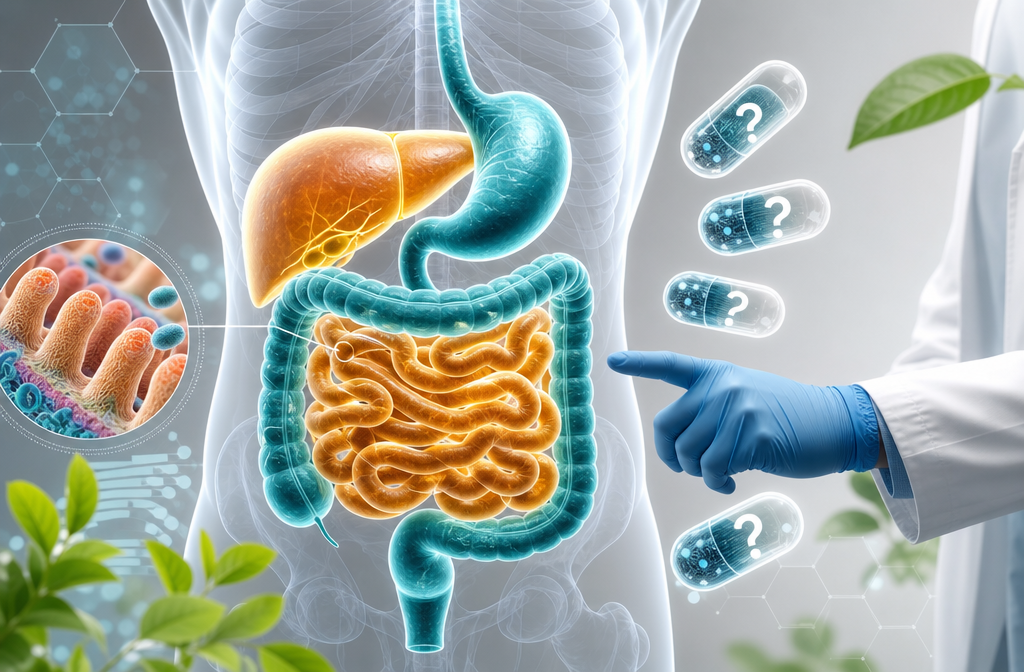
What Exactly Do Metabolism-Boosting Pills Actually Do?
Most metabolism-boosting pills work by stimulating the nervous system, raising body temperature slightly, or suppressing appetite for a short period. None of them fundamentally reprogram how your body burns fuel.
The term “boost metabolism” refers to increasing your basal metabolic rate (BMR) — the calories your body burns at rest. Common ingredients like caffeine, green tea extract, and capsaicin can nudge this number upward, but the effect is small (typically under 100 extra calories per day in research settings) and fades as your body adapts. Manufacturers rarely tell you this.
Here is what the main ingredient categories actually do:
- Stimulants (caffeine, synephrine): Temporarily increase heart rate and thermogenesis. Effects diminish with regular use. Risk of elevated blood pressure and heart palpitations.
- Thermogenics (green tea extract, capsaicin): Mildly raise body temperature and fat oxidation. Evidence is inconsistent across studies.
- Appetite suppressants (glucomannan, 5-HTP): Reduce hunger signals, which can lower calorie intake. Effect size varies widely by individual.
- Carb blockers (white kidney bean extract): Inhibit some starch digestion. Real-world impact on weight is modest.
The core problem: these mechanisms are real but small. Marketing amplifies them into promises of dramatic transformation that the biology simply does not support.
Are Diet Pills Safe or Dangerous for My Body?
Many OTC diet pills are not dangerous for healthy adults in the short term, but “not dangerous” is not the same as safe — especially if you have any underlying health conditions. Some products carry serious risks.
The FDA maintains an active database of weight loss supplements found to contain hidden pharmaceutical ingredients, including stimulants, laxatives, and even controlled substances not listed on the label. This is not a rare edge case; it is a documented, ongoing problem. Because dietary supplements are not reviewed by the FDA before sale, a product can reach pharmacy shelves without any pre-market safety testing.
Specific risks to know:
- Cardiovascular strain: Stimulant-heavy products can raise blood pressure and heart rate, which is particularly dangerous for anyone with existing heart conditions. For more on how metabolic dysfunction connects to cardiovascular risk, see our article on how metabolic syndrome increases the risk of heart disease and diabetes.
- Liver toxicity: Several supplements, including green tea extract in high doses and certain herbal blends, have been linked to liver injury.
- Gastrointestinal damage: Stimulant laxatives and some fiber-based pills can disrupt gut motility and the intestinal lining when used long-term.
- Kidney stress: Dehydration caused by diuretic-effect supplements can strain kidney function.
If you are experiencing digestive symptoms after starting a supplement, that is a reason to stop and consult a specialist. Our gastroenterology services in Forest Hills are available to evaluate GI-related concerns.
How Much Weight Can You Realistically Lose With Metabolism Supplements?
For most OTC supplements, the honest answer is: not much, and not for long. Clinical trials on popular ingredients like green tea extract and conjugated linoleic acid (CLA) typically show weight loss of one to three pounds over 12 weeks compared to placebo — and that is in controlled conditions with dietary compliance.
This is a far cry from the “lose 30 pounds in 30 days” claims that appear on supplement packaging. The Federal Trade Commission has repeatedly taken action against companies making false weight loss claims, including banning marketers behind products like “Fat Burner” diet pills for deceptive advertising.
A realistic expectation framework:
| Intervention | Average Weight Loss (12–24 weeks) | Evidence Quality |
|---|---|---|
| OTC stimulant supplements | 1–3 lbs above placebo | Low to moderate |
| Prescription GLP-1 medications | 12–27 lbs (dose-dependent) | High (Phase 3 trials) |
| Structured diet + exercise | 8–15 lbs | High |
| Behavioral counseling + diet | 10–20 lbs | High |
The gap between prescription medications and supplements is not subtle. It is the difference between a drug that has passed rigorous Phase 3 trials and a product that has not been tested at all.
What Are the Side Effects of Common Diet Pills?
Side effects vary by ingredient but fall into predictable categories. Stimulant-based products cause the most acute problems; herbal blends cause the most unpredictable ones.
Common side effects by ingredient type:
- Caffeine-heavy formulas: Insomnia, anxiety, jitteriness, elevated heart rate, headache on withdrawal.
- Senna or cascara (laxatives): Cramping, diarrhea, electrolyte imbalance, dependency with long-term use.
- Chromium picolinate: Generally well-tolerated; rare cases of kidney and liver damage at high doses.
- Garcinia cambogia: Nausea, digestive upset, rare but documented liver toxicity.
- Ephedra (now banned in the U.S.): Was linked to heart attacks and strokes before FDA removal.
Stress and digestive function are also closely linked — if you are already dealing with gut sensitivity, adding a stimulant supplement can worsen symptoms. Our article on whether stress causes digestive disorders explains this connection in more detail.
Which Diet Pills Work Best for People Over 40?
No OTC diet pill is specifically validated for adults over 40, and this age group faces the most risk from stimulant-based products due to higher rates of hypertension and cardiovascular disease. What does work for older adults is a different question.
Adults over 40 experience measurable metabolic changes: muscle mass declines (sarcopenia begins in the mid-30s), estrogen and testosterone levels shift, and insulin sensitivity often decreases. These are physiological realities that no supplement addresses at the root.
What the data shows for this age group:
In May 2026, analyses from the ATTAIN-1 and ATTAIN-2 clinical trials showed that adults aged 65 and older taking orforglipron (Foundayo) at the highest dose lost an average of 13% of their body weight over 72 weeks. This is a prescription GLP-1 receptor agonist — not a supplement — and those results required medical supervision.
For adults over 40 considering any weight loss intervention, the most productive first step is a metabolic evaluation, not a trip to the supplement aisle. Hormonal factors, thyroid function, and gut health all influence weight in this age group. Our endocrinology and diabetes care services address the hormonal side of this picture.
How Do Prescription Weight Loss Medications Compare to OTC Pills?
Prescription medications are tested, regulated, and monitored. OTC supplements are not. This is the most important distinction a patient can make.
As of 2026, the prescription landscape for weight loss has expanded significantly. The FDA approved Eli Lilly’s Foundayo (orforglipron) on April 1, 2026 — an oral GLP-1 receptor agonist that can be taken once daily without food or water restrictions. In the ATTAIN-1 trial, participants on the highest dose lost an average of 27 pounds. It became available in U.S. pharmacies by April 9, 2026, with pricing starting at $25 per month with commercial insurance and $149 per month for self-pay patients.
This followed Novo Nordisk’s oral semaglutide approval in January 2026, making 2026 a landmark year for oral prescription weight loss options.
Even with these advances, the FDA has instructed Eli Lilly to conduct further studies on Foundayo to assess potential risks to the heart, liver, and other organs — a standard requirement that no supplement manufacturer faces.
Key differences at a glance:
- Prescription drugs require Phase 3 clinical trials before approval.
- Prescriptions involve physician oversight, dosing protocols, and monitoring.
- OTC supplements require no pre-market testing and no physician involvement.
- Prescription drugs have known, disclosed side effect profiles; supplements often do not.
Can Diet Pills Interact With Other Medications?
Yes, and this is one of the most underappreciated risks. Many patients take diet supplements without telling their doctor, assuming “natural” means safe.
Dangerous interactions include:
- MAOIs and stimulant supplements: Can cause hypertensive crisis.
- Blood thinners (warfarin) and green tea extract or fish oil in high doses: May increase bleeding risk.
- Thyroid medications and calcium-containing supplements or soy-based products: Can reduce drug absorption.
- Antidepressants (SSRIs) and 5-HTP or St. John’s Wort: Risk of serotonin syndrome.
- Diabetes medications and chromium or berberine: May cause unexpected blood sugar drops.
Always disclose every supplement you take to your physician. This is especially important if you are managing a chronic condition. Our hormone imbalance and treatment page covers how metabolic medications interact with hormonal health.
Signs That a Metabolism Supplement Is a Scam
A supplement is likely a scam if it relies on marketing language rather than clinical evidence. Here are the most reliable red flags:
- “Clinically proven” with no named trial, journal, or institution cited.
- Proprietary blends: Ingredients listed without individual doses, making it impossible to evaluate efficacy.
- Before-and-after photos as primary evidence.
- Claims of “melting fat” or “resetting metabolism” — these are not physiologically possible through a pill.
- Testimonials from celebrities or influencers with no medical credentials.
- “No diet or exercise required” language.
- Extreme urgency tactics: “Limited supply,” countdown timers, or “doctor-hated” framing.
- The product is sold only through one website with no retail pharmacy presence.
The FTC and FDA both maintain resources for consumers to check flagged products. If a supplement sounds too good to be true, it almost certainly is.
Natural Alternatives to Diet Pills That Actually Work
Several evidence-supported, non-pharmaceutical approaches produce meaningful metabolic improvements without the risks of unregulated supplements.
- Resistance training: Builds muscle mass, which raises resting metabolic rate. This is the closest thing to a real “metabolism booster” that exists.
- High-protein diet: Protein has a higher thermic effect than carbohydrates or fat, meaning your body burns more calories digesting it.
- Sleep optimization: Poor sleep disrupts leptin and ghrelin (hunger hormones), directly increasing appetite and fat storage.
- Gut microbiome support: Emerging research on Akkermansia muciniphila — a postbiotic strain found in some newer supplements — suggests a role in metabolic balance and weight maintenance. In April 2026, wellness brand Lemme launched a product containing 30 billion AFU of this strain per serving, targeting weight loss maintenance. This is a more plausible mechanism than most supplement claims, though long-term human data is still developing.
- Time-restricted eating: Aligning meals with circadian rhythms has shown metabolic benefits in multiple studies.
- Stress reduction: Chronic cortisol elevation drives abdominal fat accumulation. Managing stress is metabolic work.
For a broader look at how diet protects long-term health, see our guide on the best diets to protect your heart and improve longevity.
How Metabolism Changes as You Get Older
Metabolism slows with age primarily because of muscle loss, not because the body’s cellular machinery breaks down. After age 30, adults lose roughly 3–8% of muscle mass per decade without resistance training. Less muscle means fewer calories burned at rest.
Hormonal shifts compound this: declining estrogen in women accelerates fat redistribution to the abdomen; declining testosterone in men reduces muscle synthesis. Thyroid function can also slow with age, further reducing BMR.
None of these changes are irreversible, but none of them respond to a supplement. They respond to structured exercise, adequate protein intake, hormonal evaluation when appropriate, and — in some cases — prescription intervention. Understanding how digestive symptoms affect daily life is also relevant, since gut health directly influences nutrient absorption and metabolic signaling.
When Should You Talk to a Doctor About Weight Loss Options?
Talk to a doctor if weight is affecting your health, your quality of life, or if you have tried lifestyle changes for three to six months without meaningful progress. Do not wait until a crisis.
Specific reasons to seek medical evaluation:
- BMI over 30, or over 27 with a weight-related condition (diabetes, hypertension, sleep apnea).
- You are considering a prescription GLP-1 medication and want to understand eligibility.
- You have tried multiple OTC supplements and experienced side effects.
- Your weight has changed significantly without a clear cause.
- You have digestive symptoms (bloating, irregular bowel habits, reflux) that may be connected to metabolic issues.
A Gastroenterologist in Forest Hills, NY is particularly well-positioned to evaluate the gut-metabolism connection, including conditions like SIBO, inflammatory bowel disease, or motility disorders that can affect weight and nutrient absorption. Dr. Boris Chusid, our board-certified gastroenterologist, sees patients at NYP Clinic and can help identify whether GI factors are contributing to your metabolic concerns.
Medical Risks of Taking Unregulated Diet Supplements
Unregulated supplements carry risks that go beyond mild side effects. The FDA’s database of tainted weight loss products documents cases where supplements contained undisclosed stimulants, diuretics, and even controlled substances. Consumers had no way to know this from the label.
Documented medical risks from unregulated products include:
- Acute liver failure requiring hospitalization or transplant in severe cases.
- Cardiac arrhythmias from undisclosed stimulant combinations.
- Severe dehydration and electrolyte imbalance from hidden laxatives.
- Drug interactions when hidden pharmaceutical compounds interact with prescriptions.
- Kidney damage from high-dose herbal concentrates.
These are not theoretical risks. They appear in case reports, FDA adverse event databases, and emergency department records. The risk is higher when products are purchased from unverified online sellers or imported from outside the U.S.
If you are concerned about a supplement you are currently taking, speak with a physician before stopping abruptly — some products cause withdrawal effects.
Conclusion: What to Do Next
The weight loss supplement industry generates billions of dollars annually by selling the promise of an easy fix for a genuinely complex problem. A Gastroenterologist in Forest Hills, NY sees the downstream effects of this regularly — gut damage, medication interactions, and patients who spent months on ineffective products before seeking real care.
Here is what actually moves the needle:
- Stop spending money on unregulated supplements that have no credible clinical evidence.
- Get a medical evaluation that includes metabolic markers, thyroid function, and gut health assessment.
- Ask specifically about prescription options if lifestyle changes alone have not been sufficient. The GLP-1 medication landscape in 2026 is genuinely different from five years ago.
- Work with a multi-specialty team that can address the hormonal, digestive, and cardiovascular dimensions of weight management together.
At New York Preventive Health Center (NYP Clinic), our board-certified specialists — including Dr. Boris Chusid in gastroenterology — are available seven days a week at 68-60 Austin Street, Store 10, Forest Hills, NY 11375. Walk-ins are welcome for primary care, and specialist appointments can be booked online. We participate with nearly every major insurance carrier.
To schedule a consultation or speak with our team, call (718) 997-7100, visit our contact page, or book your appointment online.
Frequently Asked Questions
Do metabolism-boosting supplements actually increase calorie burn?
Yes, but minimally. Ingredients like caffeine and green tea extract can raise calorie burn by a small amount in the short term. The effect is too small to drive meaningful weight loss on its own and fades as your body adapts.
Are “natural” diet pills safer than synthetic ones?
Not necessarily. Natural ingredients can still cause liver toxicity, drug interactions, and cardiovascular stress. The word “natural” has no regulatory meaning in the supplement industry.
What is a GLP-1 medication and how is it different from a diet pill?
GLP-1 receptor agonists are prescription drugs that mimic a gut hormone involved in appetite regulation and blood sugar control. They are tested in large clinical trials and prescribed by physicians. They are not supplements.
Can a gastroenterologist help with weight loss?
Yes. Gastroenterologists evaluate gut-related factors that affect metabolism, including absorption issues, gut motility disorders, and microbiome health. These factors are often overlooked in standard weight loss consultations.
Sources
- Zareei, S., Behrasi, F., Naghizadeh, M. M., Talebzadeh, F., Kharmandar, A., Davoodi, S. H., … & Homayounfar, R. (2022). Oral contraceptive pill and metabolic syndrome: Fasa Persian Cohort Study (Descriptive study). Diabetes & Metabolic Syndrome: Clinical Research & Reviews, 16(2), 102408.
https://www.sciencedirect.com/science/article/abs/pii/S1871402122000224
- Bi, Y., He, L., Yan, F., Liu, Y., Zhang, Y., & Gong, R. (2024). Personal, external, and psychological factors influencing adherence to nutrition and diet in patients undergoing metabolic/bariatric surgery: a systematic synthesis of mixed methods research. Acta Diabetologica, 61(9), 1083-1095.
https://link.springer.com/article/10.1007/s00592-024-02319-9