


Last updated: May 28, 2026
Quick Answer
Heart failure rarely announces itself dramatically. The four most common early warning signs are persistent fatigue, unexplained shortness of breath, swelling in the legs or ankles, and a rapid or irregular heartbeat — symptoms so easy to dismiss that many people wait months before seeing a doctor. If you’re noticing any of these in Forest Hills or the surrounding Queens area, connecting with a Heart Care Services and Cardiologist in Forest Hills, NY sooner rather than later can make a measurable difference in outcomes.
Help Heart Care Services and Cardiologist in Forest Hills, NY
Key Takeaways
- Heart failure means the heart isn’t pumping efficiently enough — it does not mean the heart has stopped.
- The four core warning signs are fatigue, shortness of breath, leg/ankle swelling, and irregular heartbeat.
- Symptoms can progress slowly over weeks or accelerate within days — neither pattern should be ignored.
- Women and younger adults often experience atypical symptoms, making professional evaluation especially important.
- Silent heart failure can be detected through EKGs, echocardiograms, and blood tests before major damage occurs.
- Most major insurance plans cover cardiac screenings; NYP Clinic participates with nearly every major carrier.
- Lifestyle changes — diet, exercise, and blood pressure management — can meaningfully slow or prevent progression.
- Go to the ER immediately if you experience sudden chest pain, severe breathlessness at rest, or fainting.
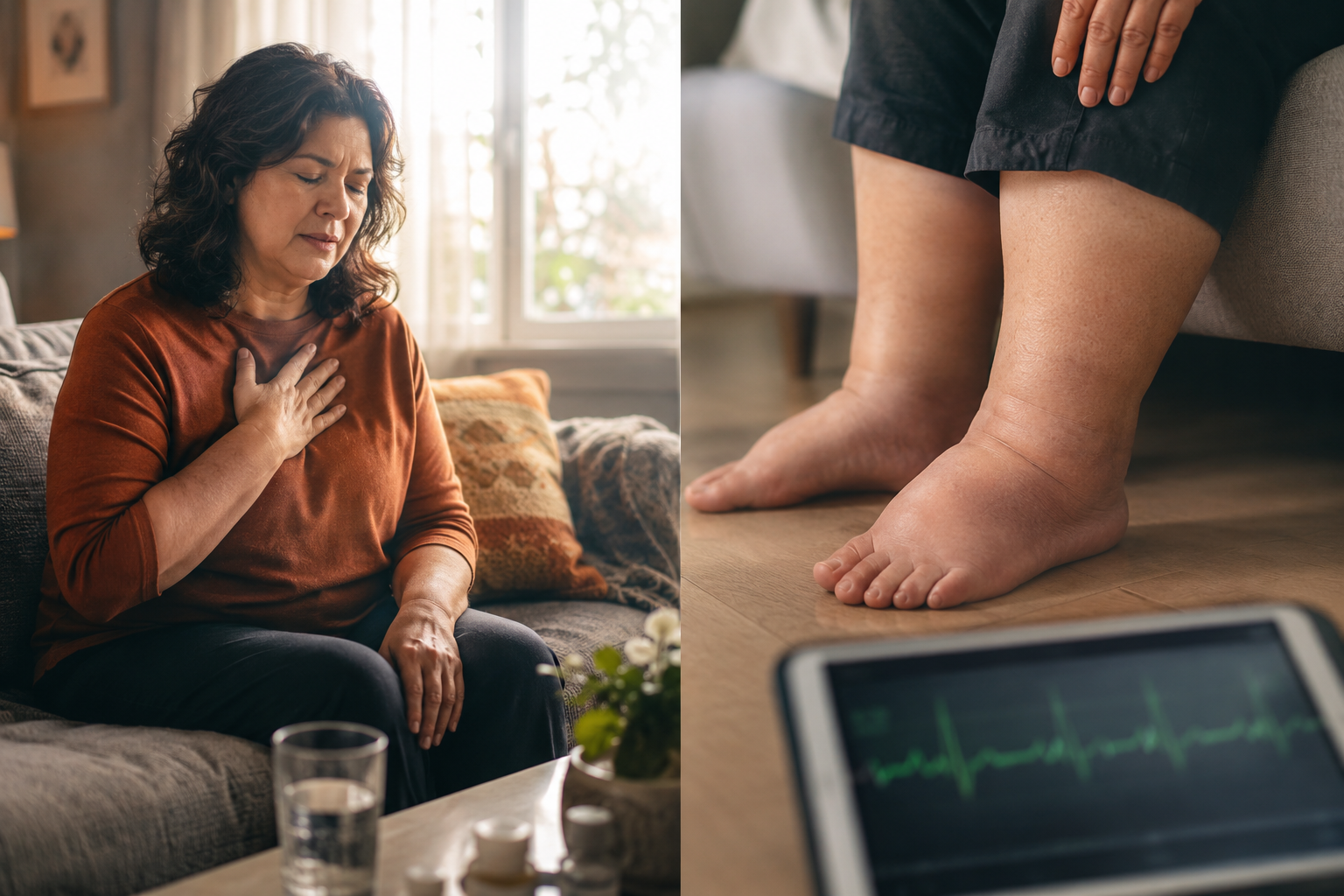
What Exactly Are the Early Warning Signs of Heart Failure?
Heart failure develops when the heart muscle becomes too weak or stiff to pump blood effectively. The four signs most likely to appear early — often before a formal diagnosis — are:
- Persistent, unexplained fatigue — feeling exhausted even after adequate rest, because the body isn’t receiving enough oxygenated blood.
- Shortness of breath (dyspnea) — especially when lying flat, climbing stairs, or doing light activity that never used to wind you.
- Swelling in the legs, ankles, or feet (edema) — caused by fluid backing up when the heart can’t keep pace with circulation.
- Rapid, irregular, or pounding heartbeat (palpitations) — the heart compensating for reduced pumping efficiency by beating faster or irregularly.
Why these four matter: Each sign reflects a different way the cardiovascular system compensates for reduced pumping function. Catching even one of them early gives clinicians a window to intervene before structural damage becomes permanent.
Common mistake: Many people attribute these symptoms to aging, stress, or being out of shape. That assumption delays diagnosis by an average of several months, according to heart failure research published by the American Heart Association (AHA, 2023).
How Do I Know If My Shortness of Breath Means Heart Problems?
Shortness of breath has many causes — asthma, anxiety, anemia, and lung disease among them. But certain patterns point specifically toward the heart.
Cardiac-related shortness of breath tends to:
- Worsen when you lie down flat (called orthopnea) and improve when you sit upright
- Wake you from sleep (called paroxysmal nocturnal dyspnea)
- Accompany leg swelling or unexplained weight gain of 2–3 pounds in a day or two
- Occur during activities that were previously effortless
Non-cardiac shortness of breath tends to:
- Correlate with allergens, exercise-induced asthma, or anxiety episodes
- Improve quickly with an inhaler or controlled breathing
- Not be accompanied by edema or fatigue
Choose evaluation if: your breathlessness is new, worsening, or comes with any of the other three warning signs listed above. An EKG or echocardiogram can clarify the cause within a single clinic visit.
What Is the Difference Between Heart Attack and Heart Failure Symptoms?
These two conditions are often confused, but they are distinct emergencies with different symptom profiles.
| Feature | Heart Attack | Heart Failure |
|---|---|---|
| Onset | Sudden, often within minutes | Gradual, over days to weeks |
| Chest pain | Common, often severe and crushing | Less common; more of a pressure or fullness |
| Shortness of breath | Present, but secondary | Often the primary complaint |
| Leg swelling | Rare | Very common |
| Fatigue | Sudden onset | Chronic, progressive |
| Emergency level | Call 911 immediately | Urgent — see a doctor within days |
A heart attack is a plumbing problem (blocked artery). Heart failure is a pumping problem (weakened or stiff muscle). One can cause the other — a heart attack that isn’t treated promptly can lead to heart failure. Understanding when heart conditions require inpatient cardiac treatment is essential for knowing how quickly to act.
Can Young People Have Heart Failure, or Is It Just for Older Adults?
Heart failure is not exclusively an older adult condition. While risk increases with age, younger adults can and do develop it — often due to:
- Viral myocarditis (inflammation of the heart muscle following infection)
- Congenital heart defects diagnosed late or incompletely treated
- Uncontrolled hypertension starting in the 20s or 30s
- Substance use including alcohol, stimulants, and certain medications
- Peripartum cardiomyopathy — a form that occurs in women during or after pregnancy
A 2022 study published in the Journal of the American College of Cardiology found that heart failure hospitalizations among adults under 45 have increased over the past two decades, largely driven by rising rates of obesity, hypertension, and diabetes in younger populations.
Edge case: Athletes occasionally develop an enlarged heart (hypertrophic cardiomyopathy) that can progress to failure if undetected. If you’re under 50 and experiencing unexplained fatigue or palpitations during exercise, don’t assume fitness is the explanation.
Are Heart Failure Symptoms Different for Men and Women?
Yes — and this distinction is clinically important. Men more often present with the “classic” signs: edema, breathlessness, and fatigue. Women are more likely to experience:
- Nausea or loss of appetite
- Persistent cough or wheezing (fluid in the lungs)
- Fatigue that feels more like depression or burnout
- Palpitations without obvious chest discomfort
Because women’s symptoms can mimic anxiety, menopause, or thyroid disorders, heart failure is frequently underdiagnosed in female patients. Women also tend to develop heart failure with preserved ejection fraction (HFpEF) — a type where the heart muscle is stiff rather than weak — which can be harder to detect on standard tests.
Takeaway: Any woman experiencing unexplained fatigue, persistent cough, or new breathlessness should request a cardiac evaluation, not just a general wellness check.
How Quickly Do Heart Failure Symptoms Progress?
Progression varies significantly depending on the underlying cause, how early it’s caught, and whether treatment is started.
- Acute heart failure can develop within hours to days, often triggered by a heart attack, severe infection, or uncontrolled blood pressure.
- Chronic heart failure typically progresses over months to years, with periods of stability interrupted by episodes of worsening (called “decompensation”).
- Without treatment, chronic heart failure tends to follow a stepwise decline — each decompensation episode leaves the heart slightly weaker.
With treatment, many patients stabilize for years. Medications like ACE inhibitors, beta-blockers, and diuretics have strong evidence behind them for slowing progression. Lifestyle changes — covered in a later section — add meaningful benefit on top of medication.
What Medical Tests Diagnose Silent Heart Failure?
Silent heart failure — where the heart is struggling before obvious symptoms appear — can be detected through several standard tests available at cardiac clinics.
Key diagnostic tools:
- EKG (electrocardiogram): Detects abnormal heart rhythms and electrical patterns. Learn about EKG vs. other heart tests to understand how they compare.
- Echocardiogram: An ultrasound of the heart that measures ejection fraction (how much blood the heart pumps per beat). The most direct tool for diagnosing heart failure type and severity.
- BNP or NT-proBNP blood test: Elevated levels of this hormone signal that the heart is under stress — even before symptoms are obvious.
- Chest X-ray: Shows fluid in the lungs or an enlarged heart shadow.
- Holter monitor: A 24 – 48 hour portable EKG that captures intermittent arrhythmias. See our guide on how to remove a Holter monitor if you’ve been prescribed one.
- Coronary calcium scoring: Measures plaque buildup in coronary arteries. Our article on what causes high coronary calcium explains the health implications in detail.
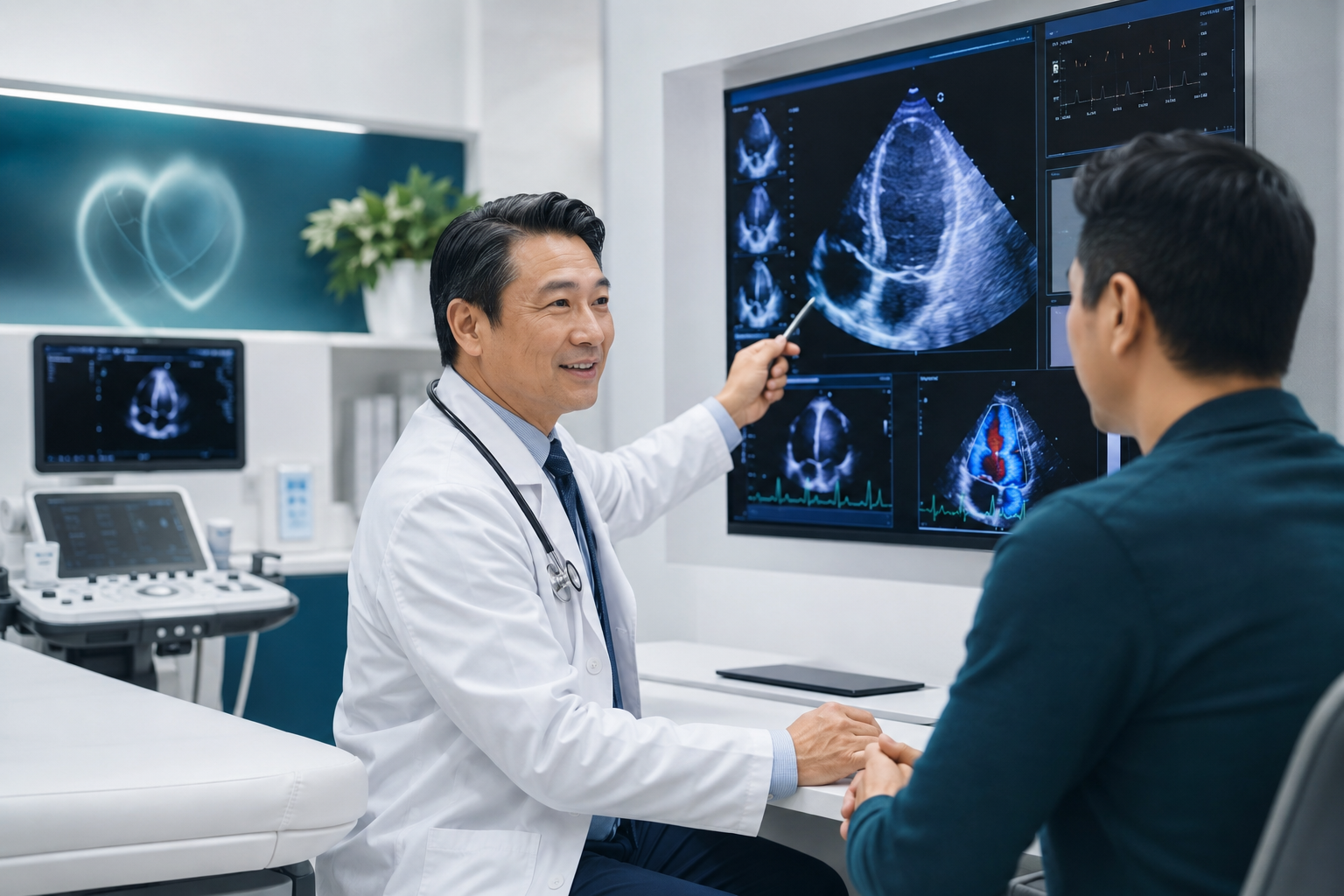
Best Cardiologists Near Forest Hills Who Specialize in Heart Failure Detection | Heart Care Services and Cardiologist in Forest Hills, NY
Patients in Forest Hills, Queens, and surrounding NYC neighborhoods have access to board-certified cardiac care at New York Preventive Health Center (NYP Clinic), located at 68-60 Austin Street, Store 10, Forest Hills, NY 11375.
Dr. Kumar Sarkar, MD is NYP Clinic’s Board-Certified Cardiologist, specializing in heart failure detection, arrhythmia management, and preventive cardiac care. Patients benefit from having specialist access within a multi-specialty clinic — meaning primary care, cardiology, and other specialties are available under one roof, without the referral delays common at larger hospital systems.
Why this matters for Forest Hills residents:
- No long wait times for specialist referrals
- Open 7 days a week, including weekends (Mon–Fri 9 AM–5 PM, Sat 9 AM–2:30 PM, Sun 9 AM–3:30 PM)
- Walk-in primary care available — no appointment required for initial concerns
- Participates with nearly every major insurance carrier
Average Cost of Heart Screenings in Queens, NY — and Insurance Coverage
The cost of cardiac screenings in Queens varies by test type and insurance status.
Typical out-of-pocket ranges (without insurance, as of 2026 estimates):
- EKG: $50–$150
- Echocardiogram: $200–$800
- BNP blood panel: $30–$100
- Holter monitor (24-hour): $150–$400
- Coronary calcium CT scan: $100–$400
With insurance: Most major plans — including Medicare, Medicaid, and commercial insurers — cover cardiac screenings when ordered by a physician based on symptoms or risk factors. NYP Clinic participates with almost every major insurance carrier. For specific coverage questions, visit the NYP Clinic contact page or call (718) 997-7100.
Important: Don’t let cost uncertainty delay a cardiac evaluation. The financial and health cost of untreated heart failure far exceeds the cost of a screening visit.
Common Mistakes People Make When Ignoring Heart Failure Signals
The most dangerous mistake is normalization — convincing yourself that symptoms are just part of getting older or being stressed.
Other frequent errors:
- Waiting for chest pain — many heart failure patients never experience it, especially women
- Attributing edema to “too much salt” without investigating the cause
- Stopping prescribed medications because symptoms temporarily improve
- Avoiding exercise entirely — moderate, supervised activity is actually recommended for stable heart failure patients
- Not tracking weight daily — a gain of 2+ pounds in 24 hours often signals fluid retention before breathlessness appears
Also consider how conditions like metabolic syndrome silently increase heart disease risk over years — another reason routine preventive checkups matter.
Lifestyle Changes That Can Prevent or Slow Heart Failure
For patients with early-stage heart failure or high risk factors, lifestyle adjustments have strong clinical backing.
Evidence-supported strategies:
- Sodium restriction: Limiting sodium to under 2,000 mg/day reduces fluid retention and cardiac workload
- Heart-protective diet: Mediterranean and DASH diets have the strongest evidence. See the best diets to protect your heart for a practical breakdown
- Regular moderate exercise: 150 minutes per week of moderate aerobic activity (with physician clearance)
- Blood pressure control: Keeping systolic BP below 130 mmHg dramatically reduces heart failure risk
- Cholesterol management: Explore effective cardiology treatments for cholesterol if your numbers are elevated
- Avoiding alcohol and tobacco: Both directly damage heart muscle over time
- Daily weight monitoring: Catch fluid changes early
When Should I Go to the ER for Potential Heart Issues?
Some symptoms require emergency care — not a scheduled appointment.
Go to the ER immediately if you experience:
- Sudden, severe chest pain or pressure that lasts more than a few minutes
- Shortness of breath so severe you can’t complete a sentence
- Fainting or near-fainting
- Sudden confusion or extreme weakness
- Coughing up pink or foamy mucus (sign of acute pulmonary edema)
- Heart rate above 150 beats per minute at rest with dizziness
Schedule an urgent clinic visit (within 1–3 days) if you have:
- New or worsening ankle swelling
- Fatigue that’s noticeably changed over the past few weeks
- Shortness of breath with mild activity that was previously easy
- Unexplained weight gain of 2+ pounds in 24–48 hours
For non-emergency cardiac concerns in Forest Hills, book an appointment online or call (718) 997-7100.
Don’t Wait for a Crisis to Protect Your Heart
Heart failure is one of the most manageable serious conditions in cardiology — but only when caught early. The four warning signs (fatigue, shortness of breath, leg swelling, and irregular heartbeat) are your body’s way of signaling that something needs attention. Dismissing them as stress or aging is the most common reason people arrive at a cardiologist’s office with avoidable damage already done.
In 2026, residents of Forest Hills and Queens have excellent access to preventive cardiac care without long waits or complicated referral processes. NYP Clinic’s Heart Care Services and Cardiologist in Forest Hills, NY team — led by Board-Certified Cardiologist Dr. Kumar Sarkar, MD — offers comprehensive cardiac evaluation, diagnostic testing, and ongoing management under one roof, seven days a week.
Your next step: If you’ve noticed any of the four signs described in this article, don’t wait. Call (718) 997-7100, book an appointment online, or walk in for a primary care evaluation. Early action is the most effective cardiac treatment available.
Frequently Asked Questions
Can heart failure be reversed?
In some cases, yes. When caused by a treatable condition (such as viral myocarditis or alcohol use), the heart muscle can recover partially or fully with treatment. Most cases are managed long-term rather than cured.
Is heart failure the same as cardiac arrest?
No. Cardiac arrest is when the heart stops beating entirely — a sudden emergency. Heart failure is a chronic condition where the heart pumps inefficiently. One can lead to the other without treatment.
How long can someone live with heart failure?
Survival varies widely based on type, severity, and treatment adherence. Many patients with well-managed heart failure live 10+ years after diagnosis. Early detection significantly improves this outlook.
Can stress cause heart failure?
Chronic stress contributes to high blood pressure and inflammation, both of which increase heart failure risk. In rare cases, extreme acute stress can trigger “Takotsubo cardiomyopathy” — a temporary but serious heart failure syndrome.
Sources
- Andreozzi, E., Centracchio, J., Esposito, D., & Bifulco, P. (2022). A comparison of heart pulsations provided by forcecardiography and double integration of seismocardiogram. Bioengineering, 9(4), 167.
https://www.mdpi.com/2306-5354/9/4/167
- Jozwiak, M., & Teboul, J. L. (2024). Heart–Lungs interactions: the basics and clinical implications. Annals of Intensive Care, 14(1), 122.
https://www.sciencedirect.com/science/article/pii/S2110582025002729